Table Of Content

Whether you're a traditionalist or keen on all things modern, there's a design style suited to you. Another notable aspect of Scandinavian design is the attention to detail and craftsmanship. The furniture and decor often feature clean lines, minimalist forms, and functional designs. Quality craftsmanship is highly valued, and pieces are often built to last, combining both aesthetics and functionality.
Transitional Design: Everything You Need to Know About This Traditional and Modern Style - Architectural Digest
Transitional Design: Everything You Need to Know About This Traditional and Modern Style.
Posted: Tue, 28 Feb 2023 08:00:00 GMT [source]
Attractive Hallway Paint Ideas To Brighten Your Home
Urban Modern is a popular interior design choice for many apartment dwellers thanks to its mixture of contemporary and industrial elements cushioned by warmer tones and softer furnishings. Minimal yet comfortable features might include plush fabrications or fluffy rugs, while large windows and steel-framed shelves give a nod to more factory-inspired settings. In interior design, different styles help designers and their clients describe and discuss the particular looks or approaches they’d like to adopt in their homes or projects. These styles may evoke different eras, cultures, or places, or simply be a description of a certain color palette, atmosphere, or overall finish. Want to learn about the different interior design styles that are ruling the roost? Check out this wide-ranging selection of décors, from Minimalist to Maximalist and everything in between.
Most Common Interior Design Styles, From Art Deco to Scandinavian
Each style is comprised of distinctive furniture, décor, lighting, and accessories that give it its signature look. In getting to know some of the most popular styles, you’ll better understand what styles stand out to you and meet your preferences. A close relative of maximalism, eclectic design features elements of various styles, periods, and places brought together for a unique space. In Ariene Bethea's Charlotte home, for example, African textiles, Asian and American art, and contemporary furniture blend for a personal oasis. Spaces that bridge the gap between modern and traditional—like this kitchen by Toledo Geller—are dubbed transitional. Here, the designers pair classic elements like herringbone floors and Shaker-style cabinets with modern lines on the hood and a fresh, white take on the iconic Thonet chair.
Midcentury Modern
Below, we’ve compiled an overview of ten popular interior design styles and home trends. Ranging from the cool north to the far east, from clean minimalism to colorful boho-eclecticism, these are the styles to know. The industrial design style found its roots in early 20th-century urban spaces when commercial and industrial elements started to be adapted for residential use.
Modern farmhouse
With over 7 years of experience in interior design, Victoria is an acclaimed expert renowned for her ability to create vibrant, personalized spaces. In addition to metal, glass was another prominent material used in Art Deco interiors. Mirrored surfaces and glass accents added a sense of elegance and reflected the era’s fascination with modernity and technology. Elaborate glass chandeliers and light fixtures became popular focal points in Art Deco spaces. Rust, terracotta, and cactus green, are a few favorites amongst designers. Whereas furniture is more on the heavy side, often adorning thick legs and bulky finishes.

Combining elements of Art Deco and Mid Century Modern, Hollywood Glam is the ideal choice for those pining for more glamor in their daily lives. This decor choice brings together rich fabrics such as velvet, silk, and satin, lacquered finishes, fresh color palettes, mirrored surfaces, and even crystal accents, paying homage to the Golden Age of Hollywood. Other defining characteristics might include plush duvet covers, upholstered headboards, and bold, timeless patterns.
Realistic Artificial Plants: Creating Lifelike and Maintainable Faux Plants
Often, light woods, unbleached fabrics, and macramé weavings are used to add a calmer, more natural feel to the style. Eastern elements like Japanese block prints and Indian garland are included for an exotic feel. There’s just something about Mid-Century Modern, or MCM, that has become timeless. It’s incredibly popular, combining warmth, organic shapes, and simple lines in a way that works in all kinds of spaces. The lines of cabinets are admired for their storage as much as for their design.
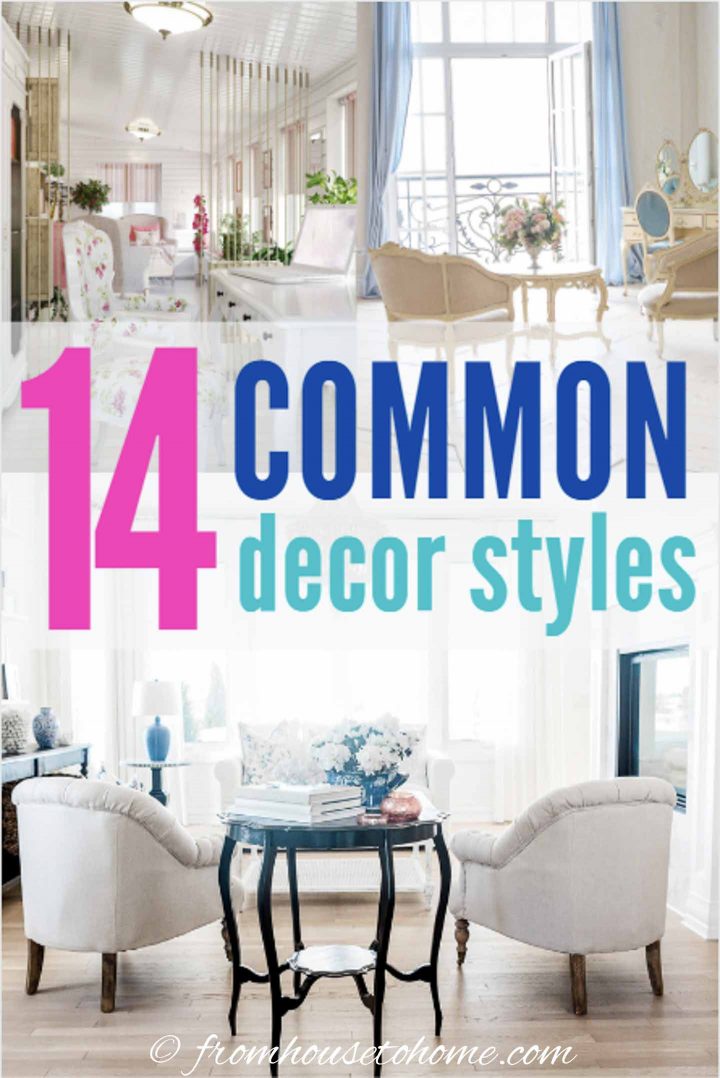
"More is always more," says designer and founder of Andrew Martin, Martin Waller. "Layer texture and pattern to create excitement in a home—more rugs, more art, more objects." Read on to see the most important design styles to know, with their key characteristics and insights from designers we love. In the 1960s and '70s, artists with limited resources began taking up residence inside abandoned factories in failing or forgotten neighborhoods, like SoHo in New York City, says Lafleur. These artists leveraged their creativity to strip and reconfigure cavernous spaces, keeping industrial and structural elements exposed—choices we make to artful effect in our homes today.
Prints and photographs are windows to varied landscapes, capturing everything from urban skylines to intimate portraits. Their ability to convey deep emotions and complex narratives makes them essential in personalizing your space. Open floor plans are favored, and walls and ceilings without mouldings are preferred. You can use architectural salvage (somewhat sparingly!), but the finishes shouldn’t be quite as worn as they would be in a traditional farmhouse.
Classical furniture, intricate details, and rich colors abound in traditional interiors, resulting in decidedly formal yet functional spaces. Architecture is another important component, with detailed millwork such as crown molding and wainscoting playing a significant role. It's not difficult to deduce that traditional design is inspired by—you guessed it—tradition. Specifically, traditions of 18th and 19th-century European interiors, albeit in a more timeless approach. Other key characteristics include organic and rounded shapes, natural light, earthy tones, and natural materials, such as wood and leather.
Some key elements include wall hangings, flimsy light fixtures, linen textiles and a mixture of white and pastel colors. Contemporary design is current design which includes open spaces, plenty of light, straight lines, plenty of glass, settel and wood and in some cases unusual layouts. Bold splashes of color such as deep blue or vibrant red work well in Egyptian style design, but they shouldn’t overpower the space. Opt for furniture that is bold and chunky, with ornate detailing and a high shine finish. This type of interior design should feel warm, homely, comfortable, and casual. Chairs might be upholstered in leather or cotton, and rugs and blankets will be woven or knitted.
Transitional design is a term used in interior design style to describe a style that is in between two other, more specific styles. It can be used to describe the overall style of a room or the style of individual pieces of furniture or decor within a room. Transitional design is often described as being “classic yet modern”, or “timeless yet contemporary”. It is a style that is designed to be transitional – meaning it can easily adapt to either a traditional or modern setting. In Japandi design, the use of natural materials is paramount and contributes to the overall aesthetic. Wood, particularly light-toned varieties such as oak or beech, takes center stage in furniture, flooring, and accents.
Internationally celebrated interior architect, designer and property developer, Shalini Misra, has been creating spaces since she founded her practice over 20 years ago. Though minimalism has a sore reputation for being cold and uninviting, we can still pay homage to its roots for it has inspired many more modern micro trends of late. Minimalism can simply be applied to many different styles and interpreted how you would like it. 'Our favorites are Scandinavian, Japandi, Wabi-Sabi, Boho, Mediterranean, Mid Century, Industrial, Rustic, Modernism, Contemporary, Eclectic, and Traditional. Each of these styles have unique characteristics and subcategories adding a touch of personality to every space. Southwestern design is where the rich cultural tapestry of the American Southwest comes to life!
In fact, it was common for individuals to pass down furniture from one generation to the next. Similar to its design sister, French country, shabby chic design has a very soft and feminine feel. Our list of house décor styles wouldn’t be complete without modern farmhouse interior design. Joanna Gaines has earned the title as farmhouse queen, but even she is blending her farmhouse style into a more modern, and collected space.
The intention is to feel like there is nothing between the indoors and outdoors. A light sheer fabric blowing in the wind is sure to get the coastal vibe across. A few popular patterns include; damask, florals, stripes, and plaids, for example. Furthermore, traditional homes also like to bring in a sense of glam with crystal chandeliers. Inspired by sandy beaches and blue waves, Coastal style incorporates bright colors, organic (often whitewashed) textures, and summery materials like wicker and rattan, as seen in this beach home by Jess Weeth. For her decoration of Emily Schuman's Los Angeles home, designer Katie Hodges looked to stylistic influences from the 1970s, updating them with a minimal backdrop for a fresh take.
Bring them together with modern style’s neutral palette and sleek lines, industrial-style fixtures, leather, and concrete. Modern interior design gets a monetary makeover here with shiny metallic finishes, upholsteries in soft furs, supple leather, and velvets. For transitional, combine 19th-century furniture and a Persian rug with contemporary pieces and an oversized abstract work of art. We’ll compare some styles to each other and go over simple ways you can incorporate a particular style into the spaces of your home. Think rustic country elements updated for the now with a rich mix industrial, minimal, and Scandinavian touches for unique spaces that take full advantage of every architectural hallmark – flawed or not.